
About us

HANNAH ARENDT CENTRE FOR POLITICAL STUDIES:

The Hannah Arendt Centre for Political Studies is an interdisciplinary research centre founded in 2016 at the Department of Human Sciences of the University of Verona. The Centre is dedicated to the study, promotion and dissemination of Hannah Arendt’s philosophical and political thought and to critical reflection on contemporary political challenges, in constant dialogue with the humanities and social sciences.

The Centre was born out of the need to offer a space for in-depth study and discussion focused on Arendtian thought, which is still considered fundamental today for understanding the complexity of the political, social and cultural dynamics of the contemporary world. Arendt’s political philosophy, with its focus on the value of freedom, plurality, individual responsibility and public life, guides the theoretical and methodological orientation of the Centre’s activities.

VISION

The Arendt Centre aims to make Arendt’s intellectual legacy visible and relevant in the context of the social and political transformations of our time. We believe that a deep understanding of the concepts of freedom, political action, participation and plurality is fundamental to interpreting and addressing the dynamics of the common world and the crises of democratic institutions.


For Arendt, freedom is the ability to act and take initiative together with others in the public sphere.

‘Freedom is the possibility of being responsible for oneself and the world.’ – Hannah Arendt

MISSION:

The Centre’s mission is:

  1. Research and study: to promote philosophical and political research on Arendt’s texts, exploring classic and contemporary themes such as totalitarianism, historical memory, the politics of rights, moral responsibility and public engagement;
  2. Interdisciplinary dialogue: to encourage exchange between philosophical, political science, sociological and historical disciplines, building bridges between theory and practice;
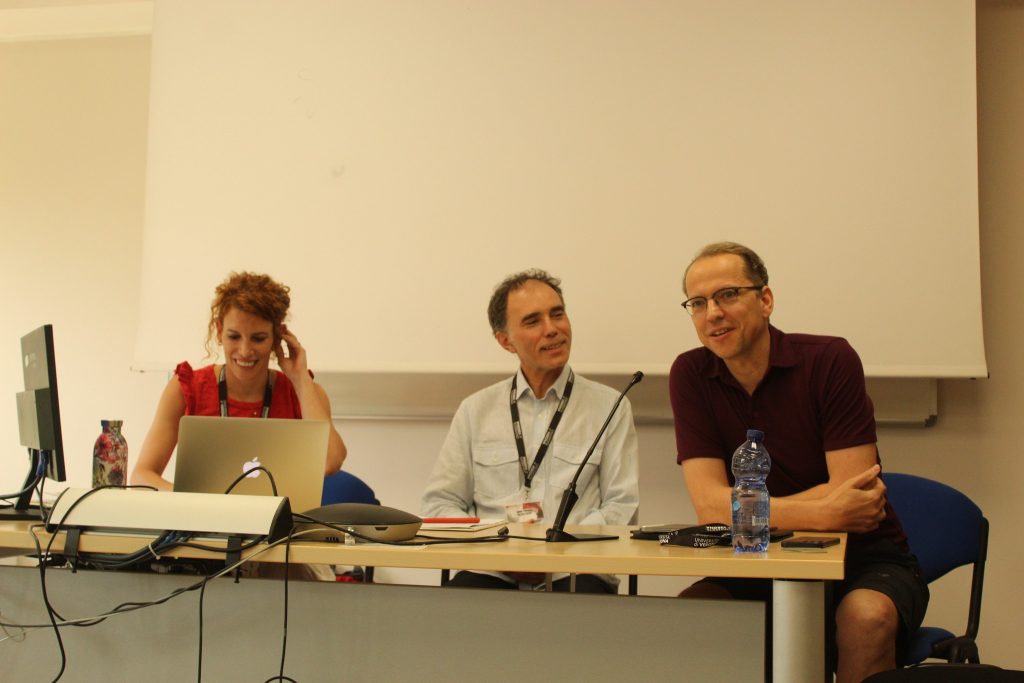
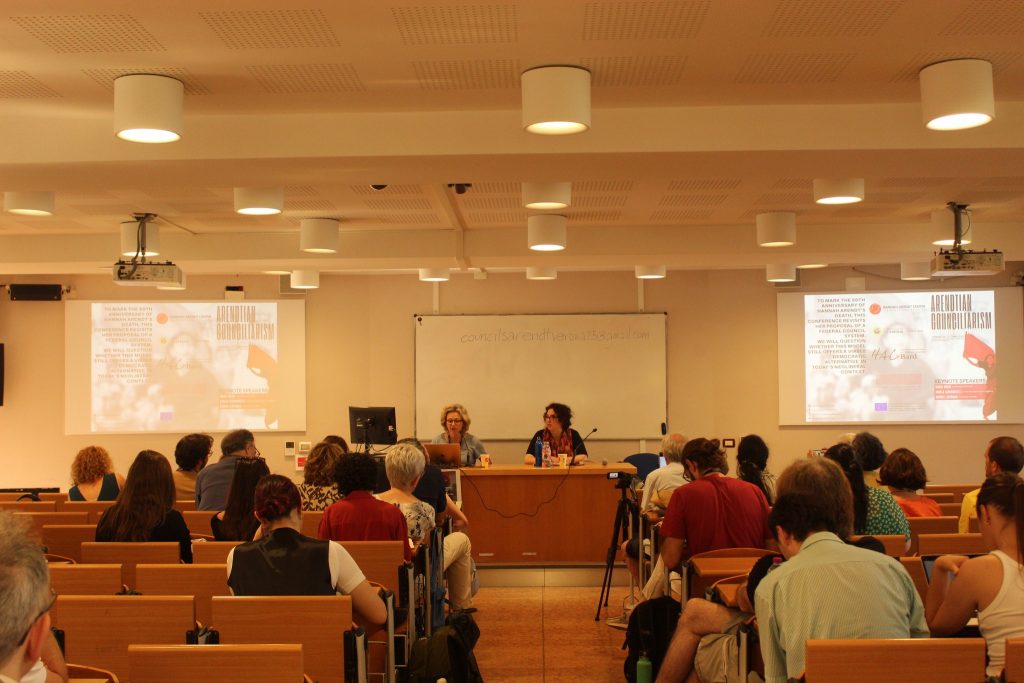
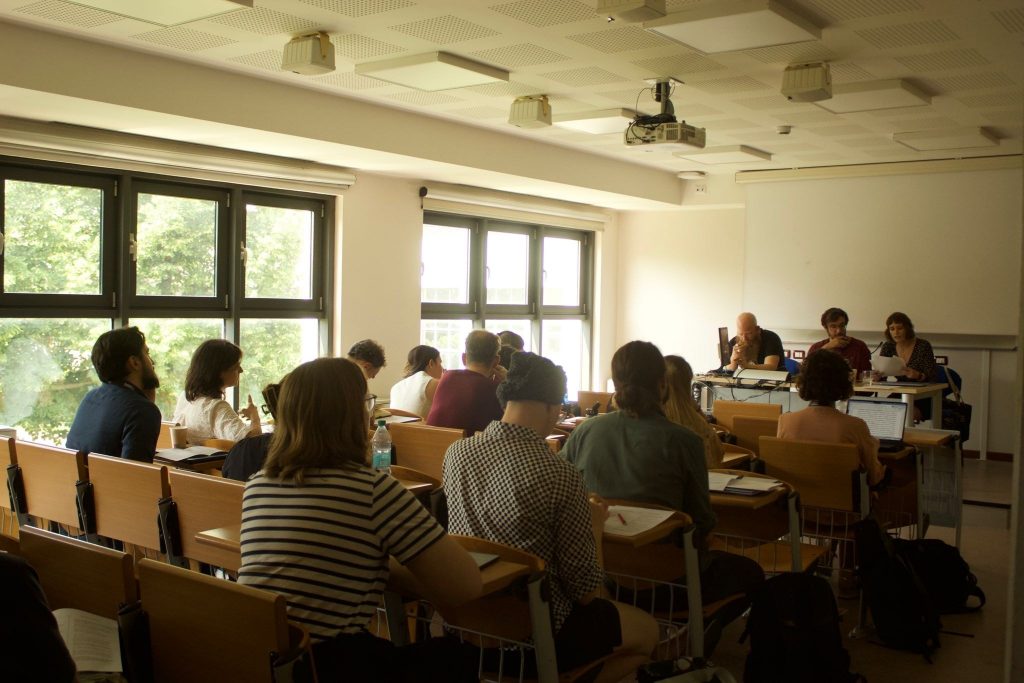
  3. Training and dissemination: to organise seminars, conferences, series of meetings and workshops open to students, researchers, institutions and the interested public, stimulating critical thinking and participation;
  4. International collaboration: to develop projects and collaborations with research centres, universities and cultural institutions at national and international level, strengthening the global dimension of contemporary political debate.

ACTIVITIES AND PROJECTS:

The Centre carries out a variety of initiatives aimed at spreading awareness of Arendt’s thinking and stimulating critical debate on social and political issues:

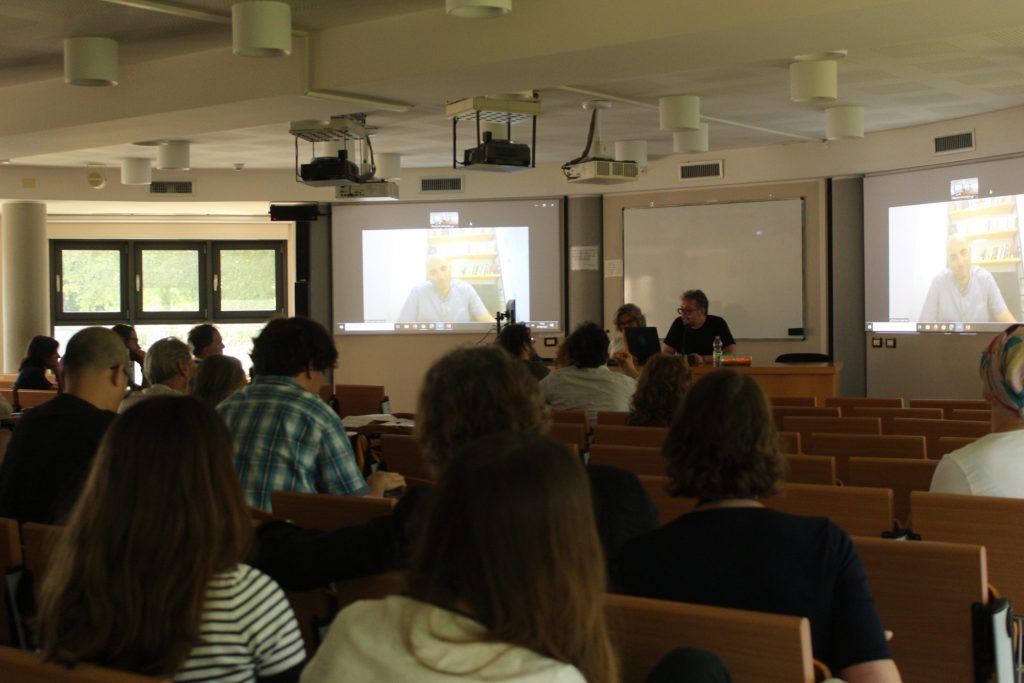
  1. Seminars and conferences on current political and social issues;
  2. Interdisciplinary research projects on historical memory, totalitarianism, democracy and rights;
  3. Publications and teaching materials for students and researchers;
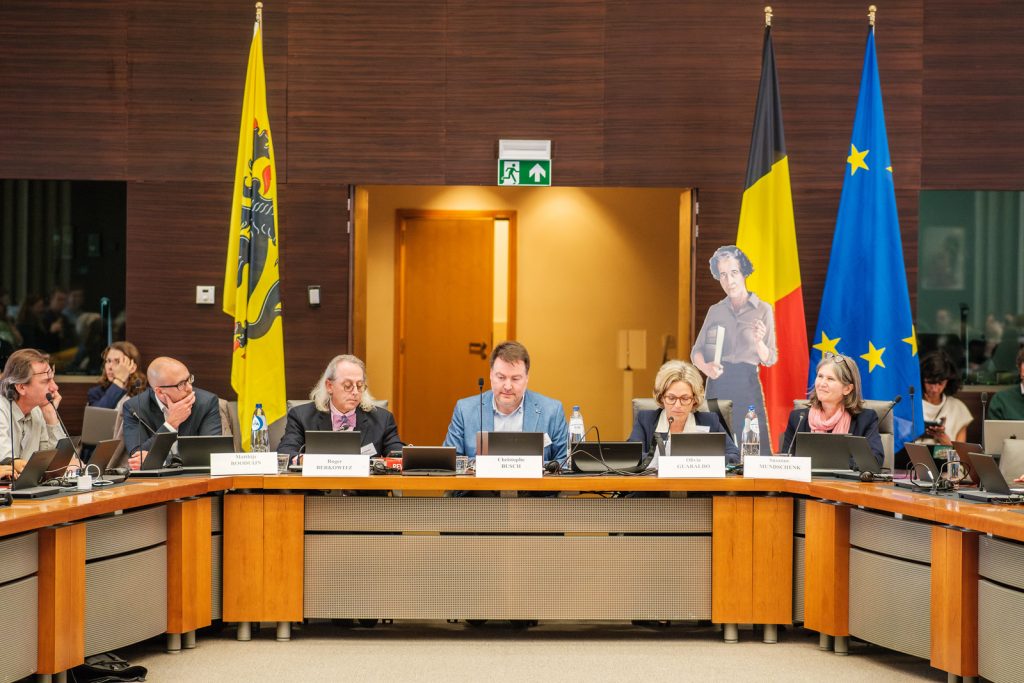
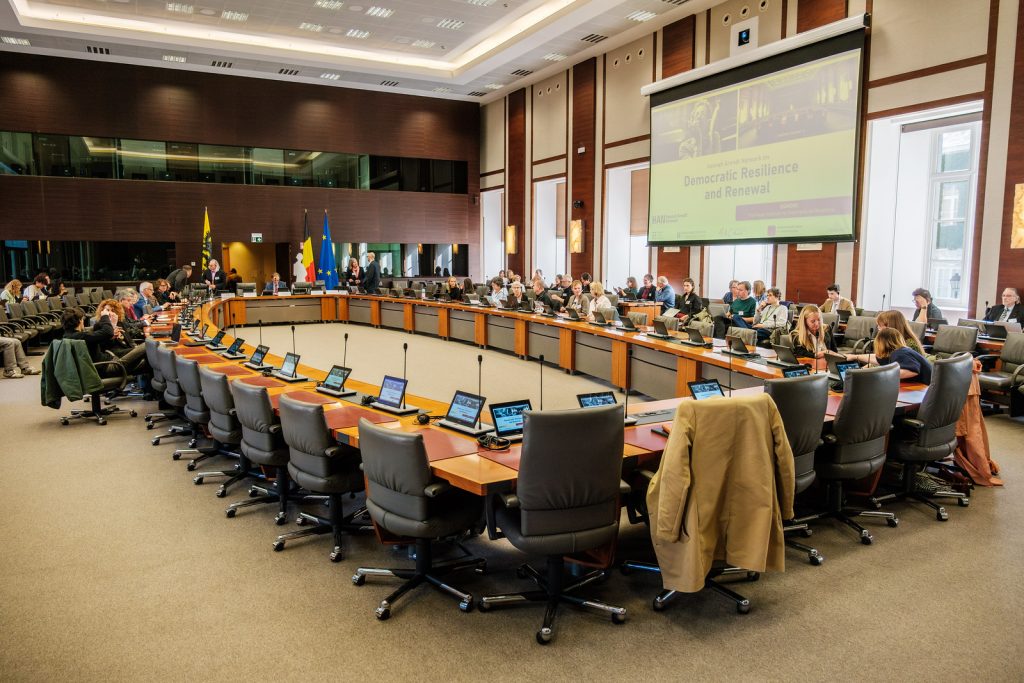
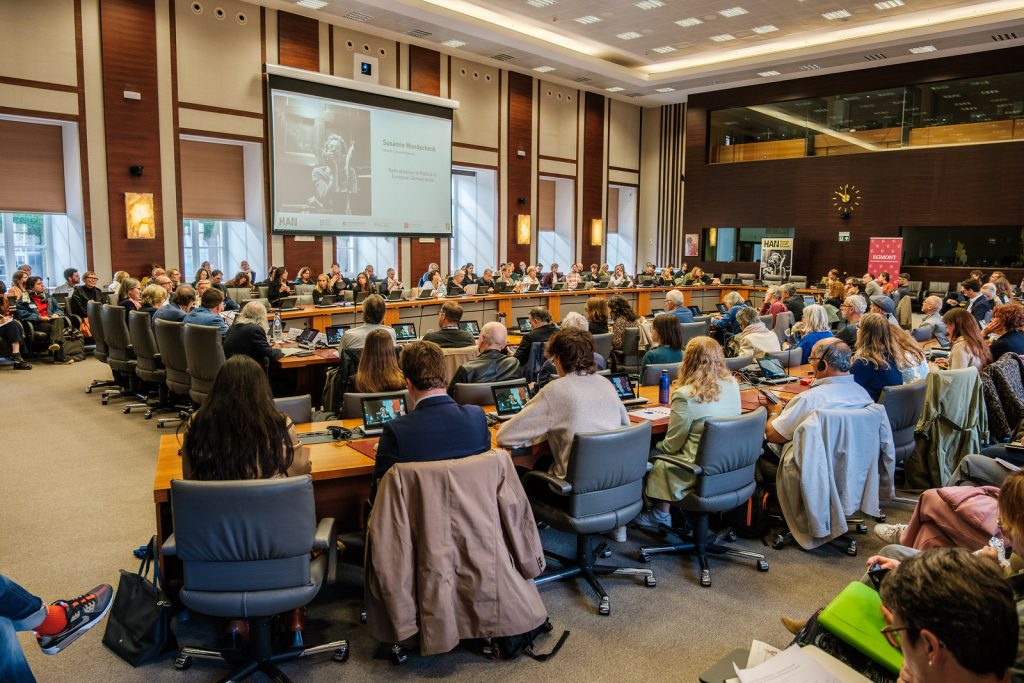
  4. Events open to the public to promote critical reflection and civic debate;
  5. Collaborations with cultural and academic institutions to expand research and educational opportunities.

ARENDT’S LEGACY:

Hannah Arendt (1906-1975) devoted her life to studying the most complex political and social phenomena of the 20th century, including totalitarianism, individual responsibility, political action and public life. The Centre interprets and applies these concepts to understand contemporary challenges: from the crisis of democracies to political violence, from social marginalisation to civic participation, through historical memory as a tool for political awareness.

Through the study and dissemination of Arendtian thought, the Centre offers students and researchers tools to understand the dynamics of contemporary politics and to promote informed and responsible participation in public life.

“The fact that man is capable of action means that we can expect the unexpected from him,